


The daily habit of showering is so mundane that we never really sit down to consider the inner mechanics of the act. Beyond merely washing up, your bathroom shower is full of surprising secrets, ranging from its history to its impact on your health and home. Prepare to have your mind blown by these 10 top secrets about the unassuming shower.
- The Romans Were Shower Pioneers (Sort Of): While the shower we know and love today is a more recent invention, the Romans were way ahead of their time. Their opulent public baths featured aqueduct-fed rooms with water flowing in from above via pipes, essentially offering a primitive communal system for showering. It was more communal cleansing than private privacy.
- The First Patent Was for a Recirculating Shower: The earliest shower patent was granted in England in 1767 to a man named William Feetham. It was a mechanical pump-powered system that would recirculate water from a basin at the bottom up to a tank at the top so that one could shower without using fresh water all the time. It was a smart, if somewhat unhygienic, concept.
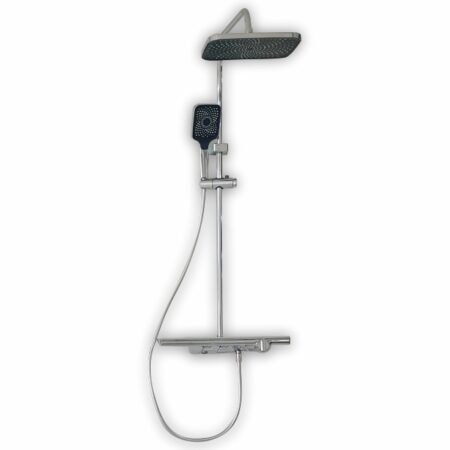
- Water-Saving Showerheads Will Save You a Bundle: A good blast of water is pleasant, but older showerheads take a tremendous 5 gallons or more per minute. Replace with a new low-flow showerhead and reduce water usage by a half or more, saving a bundle on your water and energy bill down the road.
- Your Showerhead is a Hotbed of Microbes: As you’re washing off germs, your showerhead is breeding them. The interior of the showerhead offers a warm, moist environment that’s ideal for bacteria to multiply, such as Mycobacterium avium, an agent of respiratory illness in vulnerable individuals. Regular cleaning and disinfection of your showerhead is necessary for your health.
- The Showering Temperature Directly Affects Your Hair: Want to have shiny, healthy hair? The temperature of the water matters. Hot water can actually open the hair cuticles, making your hair frizzy and color fade away. Rinsing your hair in cold water, conversely, closes the hair cuticles, locking in moisture and leaving your hair smooth and glossy.
- A Long, Hot Shower Is Not Always a Good Thing: That long, hot shower may feel cozy, but it actually dries out your skin of its natural moisturizer, leading to dryness, irritation, and even skin conditions such as eczema. Dermatologists recommend keeping showers to a maximum of 5-10 minutes and using lukewarm, not scalding, water.
- Showering Can Enhance Your Mental Health: A shower can do more than just clean your body. The noise of the water, which also happens to be a rhythmic sound, the warmth, and the brief isolation can act as a mini-meditation, soothing the nerves and worry. It’s where we have our best ideas, something that has been described as “shower thoughts.
- The “Showering with a Loofah” Myth: We all shower with a loofah or shower pouf to work the lather up, but these are petri dishes for germs. Dead skin cells and retained moisture in the crevices of the loofah or pouf give germs the perfect breeding ground. If you do use one, be sure to let it air dry between uses and change it periodically.
- Your Shower Has a Enormous Effect on Your Home’s Air Quality: Steam and moisture from your shower can lead to growths of mold and mildew if not ventilated. Not only does this harm your bathroom, but it can also send spores into the air, which may cause allergies and breathing problems. Always use your bathroom fan or open a window before and after your shower.
- The Shower Was a Breakthrough for Public Health: The popular acceptance of indoor plumbing and individual showers during the late 19th and early 20th centuries was a tremendous public health breakthrough. It dramatically reduced the transmission of infectious diseases and improved mass personal hygiene, fundamentally altering our lifestyle.
So next time you hop in the shower, take a moment to appreciate the fascinating history, surprising science, and hidden health implications of this quotidian practice. It’s not only how we wash ourselves—it’s proof of the ingenuity of humans and a critical component of our modern lives.
Leave a comment